Jelly Lelly: A Sweet Handwritten Typeface for Modern Web Design
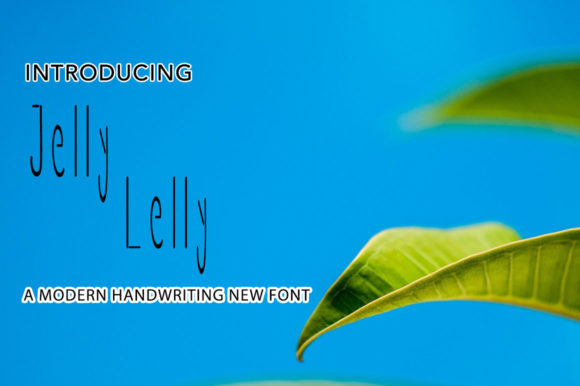
Jelly Lelly is a sweet and simple handwritten font that brings an authentic, human touch to digital interfaces where generic typefaces often fall flat. As a UI designer focused on conversion-focused layouts, I have found that Fonts like this are not merely decorative; they are strategic tools that shape user perception and guide visual hierarchy from the moment a visitor lands on a page. Its natural and unique style makes it incredibly fitting to a large pool of project ideas, particularly those requiring a warm, approachable brand tone without sacrificing professional polish.
Jelly Lelly for Hero Sections and Landing Page Headers
The first sentence of any landing page design relies heavily on typography to establish immediate context, and Jelly Lelly excels in this role by turning standard headers into engaging focal points. When used as a display font for hero sections, the script's fluid strokes create a sense of movement that draws the eye downward toward your primary call-to-action buttons. Unlike rigid sans serif fonts that can feel cold or corporate, this script handwritten style softens the interface, making high-end products or creative services feel more accessible to the average user. For a boutique online store or a coaching website, placing Jelly Lelly in the main headline creates an emotional connection before the user even reads the sub-headline, effectively increasing dwell time and engagement rates.
Using Jelly Lelly for Call-to-Action Buttons and Short Phrases
While Jelly Lelly is powerful for headlines, its utility extends to micro-interactions like button labels and short promotional phrases scattered across a screen. Because the font maintains clarity at smaller sizes, it works beautifully for CTA text such as "Get Started," "Shop Now," or "Join the Waitlist" when paired with a clean sans serif body. However, web designers must be mindful of legibility; using the full weight of the script for long paragraphs will hinder readability and disrupt the scanning behavior of users who skim content. Instead, treat Jelly Lelly as a premium accent for key moments in the user journey, ensuring that the visual rhythm of the page remains balanced between personality and function.
Jelly Lelly for E-commerce Banners and Product Cards
In the realm of online retail, Jelly Lelly serves as a versatile asset for creating distinctive product banners and highlighting special offers within grid layouts. The natural variation in stroke width mimics the imperfections of real handwriting, which adds a layer of trust and authenticity that mass-produced graphics often lack. When designing for mobile screens, where space is at a premium, this handwritten font allows you to convey a message quickly without cluttering the interface. For example, a "New Arrival" tag or a "Limited Stock" badge rendered in Jelly Lelly stands out against a neutral background, guiding the user's attention to high-margin items or seasonal collections.
Enhancing Brand Identity for Creative Portfolios and Blogs
A consistent online identity is crucial for SaaS founders and creative entrepreneurs, and Jelly Lelly provides a unique signature that distinguishes a brand from competitors. By integrating this script handwritten typeface into blog headers, author bylines, or footer credits, you reinforce a cohesive narrative that feels personal and curated. This approach is particularly effective for portfolio sites where the goal is to showcase individual creativity; the font acts as a subtle extension of the designer's own voice. When visitors encounter Jelly Lelly consistently across different pages, it builds a subconscious association with quality and attention to detail, fostering greater brand loyalty over time.
Jelly Lelly Font Pairing Strategies for Digital Readability
To maximize the impact of Jelly Lelly, successful web design requires thoughtful pairing with complementary typefaces that ensure optimal readability across all devices. Since this is a display-oriented handwritten font, it pairs exceptionally well with modern, geometric sans serif fonts for body copy, creating a harmonious contrast between playful headings and structured text. For editorial-style digital identities, combining Jelly Lelly with a classic serif font can elevate the perceived value of the content, lending an air of sophistication to long-form articles or case studies. The key is to let the script handle the emotional appeal while the secondary font handles the information density, ensuring that the user experience remains smooth and frustration-free.
Optimizing Jelly Lelly for Mobile Responsiveness and Dark Modes
Digital product creators must consider how Jelly Lelly performs under various lighting conditions and screen resolutions, especially given the prevalence of dark mode interfaces today. The natural curves of the font remain legible on small mobile screens provided that sufficient line height and letter spacing are applied, preventing characters from merging visually. When testing on light backgrounds, the ink-like strokes offer strong contrast, but on dark backgrounds, designers may need to adjust the opacity or use a lighter weight variant to avoid overwhelming the user. Properly scaled, Jelly Lelly ensures that your brand messages remain crisp and inviting whether viewed on a desktop monitor or a smartphone held in one hand.
Jelly Lelly Licensing and Implementation for Commercial Projects
For agencies and freelancers building client websites, understanding the commercial licensing terms of Jelly Lelly is essential to protect both the creator and the end client. This script handwritten typeface is designed for broad application, covering everything from client logos and packaging design assets to embedded webfonts for live websites. Before deploying the font in a production environment, verify the specific file formats included, such as OTF, TTF, or WOFF2, to ensure cross-browser compatibility and fast loading speeds. By securing the appropriate license, you gain the freedom to use these Fonts in unlimited projects, allowing you to deliver a polished, professional finish without legal ambiguity.
Ultimately, Jelly Lelly represents more than just a collection of characters; it is a strategic element that enhances the emotional resonance of digital experiences. Whether you are crafting a whimsical landing page for a children's app or a sophisticated header for a luxury fashion brand, the natural and unique style of this font adapts seamlessly to your vision. By leveraging its sweetness and simplicity, designers can create layouts that not only look beautiful but also drive meaningful interactions and conversions.